

Quick answer
Lake Mead is worth visiting for boaters, hikers, and history enthusiasts who want desert recreation near Las Vegas. The recreation area offers year-round access at $25 per vehicle (valid seven days), with 290 miles of shoreline, designated swimming beaches, and trails through Mojave Desert terrain. Water levels remain below historic averages, exposing dramatic geological formations and creating unique landscapes not visible during higher water years.
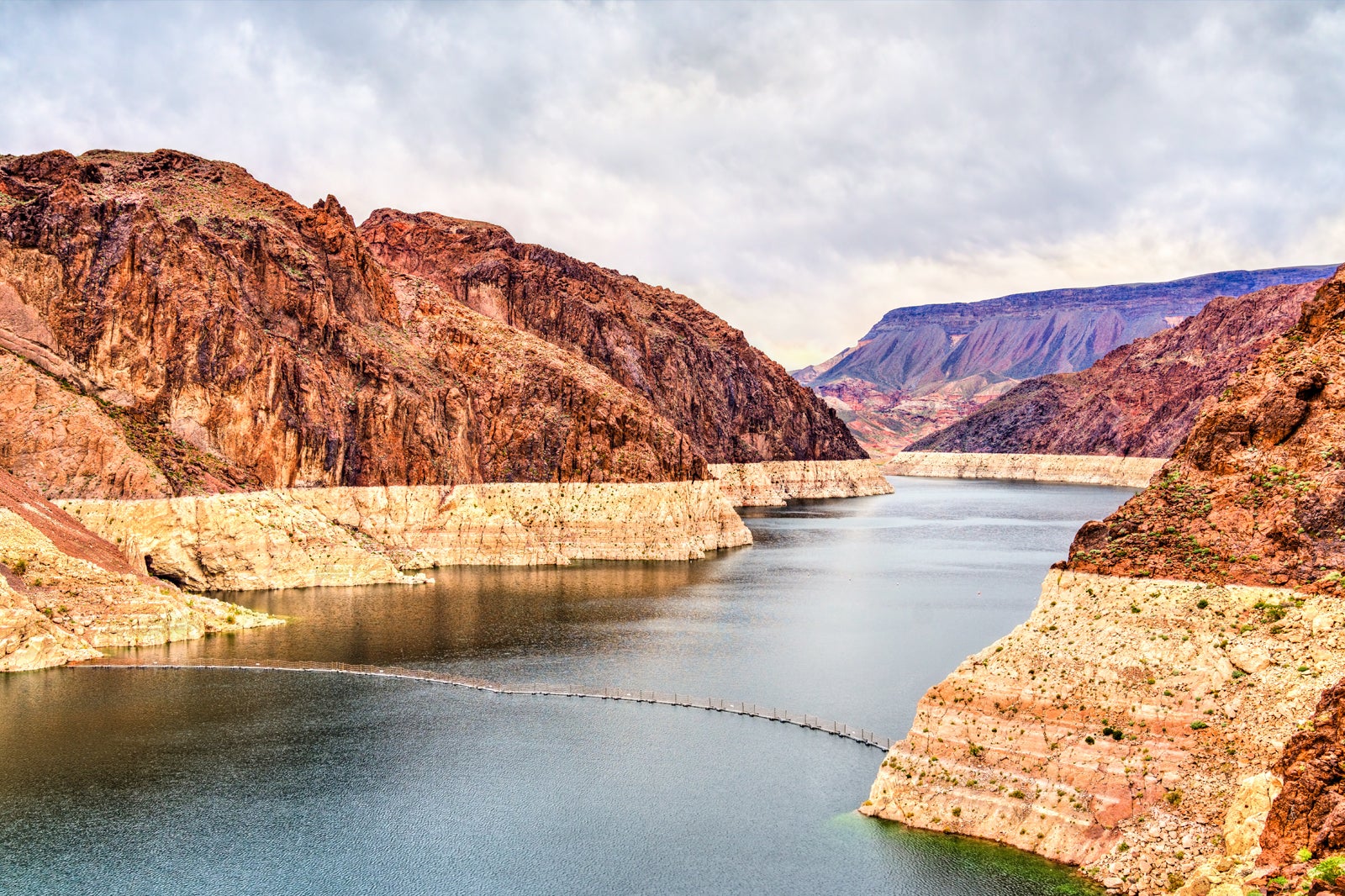
Lake Mead holds the distinction of being America's first national recreation area, established in 1964, yet its defining feature—water—has retreated substantially since 2000, dropping more than 170 feet from full capacity. The receding reservoir has transformed the landscape, revealing canyons, rock formations, and sediment layers that were submerged for decades. Boaters now launch from marinas that have relocated multiple times, while beachgoers walk across former lakebed to reach current shorelines. The question of whether Lake Mead merits a visit depends largely on what you seek. Water-based recreation remains viable at multiple marinas—Boulder Beach, Las Vegas Bay, and Callville Bay maintain boat launch access despite lower lake levels. Kayakers and paddleboarders navigate narrow canyon arms that were once wide expanses. Anglers still pursue striped bass, catfish, and rainbow trout in cooler months. The stark contrast between desert mountains and blue water creates photographic opportunities uncommon in the Southwest. Beyond the reservoir itself, the recreation area encompasses hiking trails through volcanic formations, historic sites including remnants of railroad construction camps, and wildlife habitat for desert bighorn sheep and migrating waterfowl. The proximity to Hoover Dam—visible from several overlooks within the recreation area—adds engineering history to the natural attractions. Visitors arriving between October and April encounter moderate temperatures suitable for extended outdoor activity, while summer months demand early morning starts to avoid triple-digit heat. The infrastructure supporting Lake Mead recreation has adapted to changing conditions. Paved roads connect major access points, though some former beach areas now require longer walks across exposed terrain. Campgrounds at Boulder Beach and other sites remain operational year-round. The Alan Bible Visitor Center provides orientation and current lake level information essential for planning water activities. Rangers recommend checking launch ramp status before trailering boats, as ramp availability shifts with reservoir elevation. For travelers weighing whether Lake Mead deserves a spot on their Nevada itinerary, the recreation area offers substantive outdoor experiences rather than casual sightseeing. Those prepared for desert conditions and interested in water sports, geology, or uncrowded trails will find the visit worthwhile. The landscape tells a story of climate, engineering, and environmental change visible in real time—a narrative that adds context beyond simple recreation.
“The receding reservoir has revealed canyons and rock formations that were submerged for decades, transforming Lake Mead into a landscape shaped by both engineering and drought.”
When Is Lake Mead Worth Visiting Based on Weather and Crowds?
The spring and autumn months provide the most manageable climate for outdoor activities at Lake Mead. To ensure comfort and avoid peak traffic, plan your arrival between 06:00 and 10:00.
Spring (March–May)
Moderate crowdsMild to warm; 70°F–90°F
Ideal for hiking and water activities before summer heat peaks.
Summer (June–August)
High crowdsExtreme heat; 100°F–110°F+
Requires early morning activity to avoid dangerous mid-day temperatures.
Autumn (September–November)
Moderate crowdsCooling trends; 75°F–95°F
Water remains warm enough for swimming while air temperatures become pleasant.
Weekday mornings
Low crowds—
Arriving during the best arrival window of 06:00–10:00 minimizes heat exposure and vehicle congestion.
Verdict: For the most comfortable visit, aim for weekday mornings during April or October, arriving between 06:00 and 10:00.
Which Landscapes and Areas Make Is Lake Mead Worth Visiting?
Lake Mead National Recreation Area encompasses diverse environments ranging from deep desert canyons to expansive water basins. These distinct areas offer varied perspectives on the Colorado River's intersection with the Mojave Desert landscape.
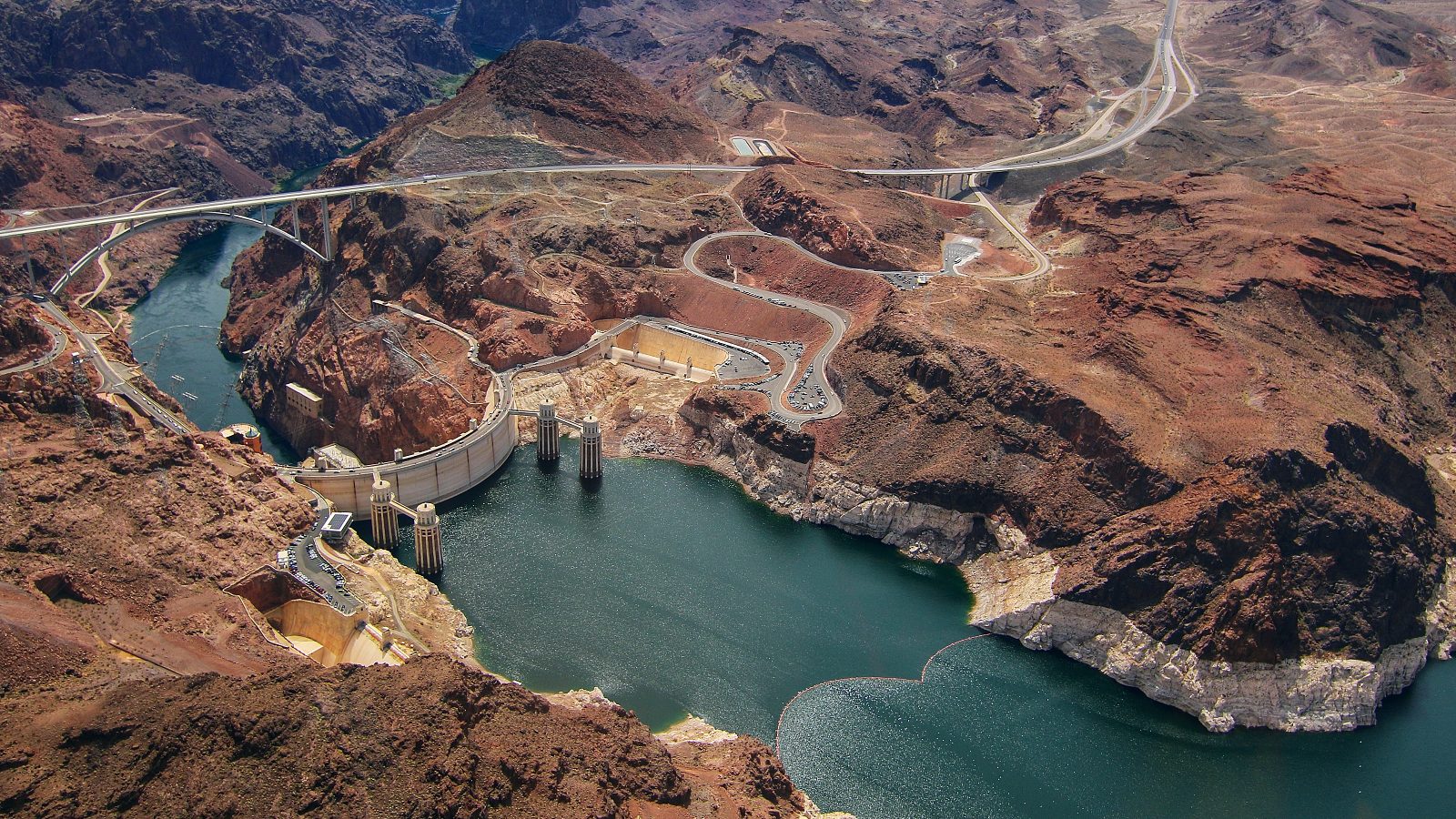
Hoover Dam Area
This zone provides views of the massive concrete structure and the Black Canyon geological formations. It serves as a primary access point for observing the river channel downstream from the dam.
View from the Mike O'Callaghan-Pat Tillman Memorial Bridge at sunrise.
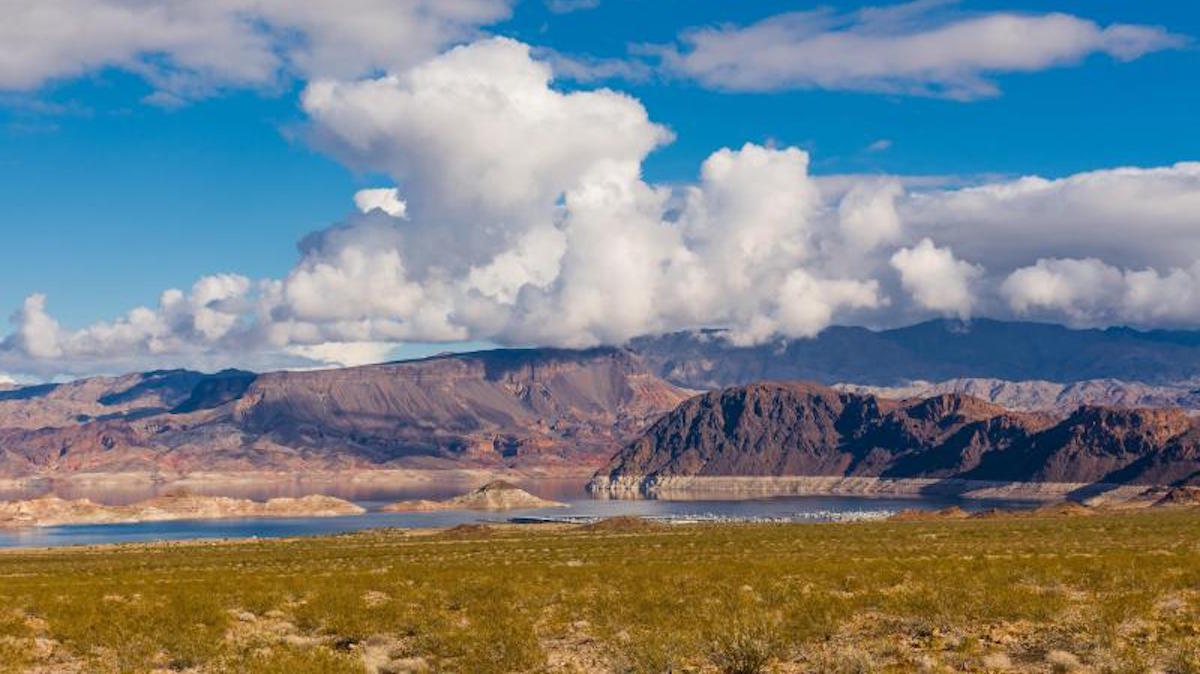
Boulder Basin
Located closest to the recreation area's main entrance, this large expanse of water is a center for boating and water activities. It offers views of the surrounding mountains and shoreline cliffs.
Visit the Alan Bible Visitor Center first for orientation.
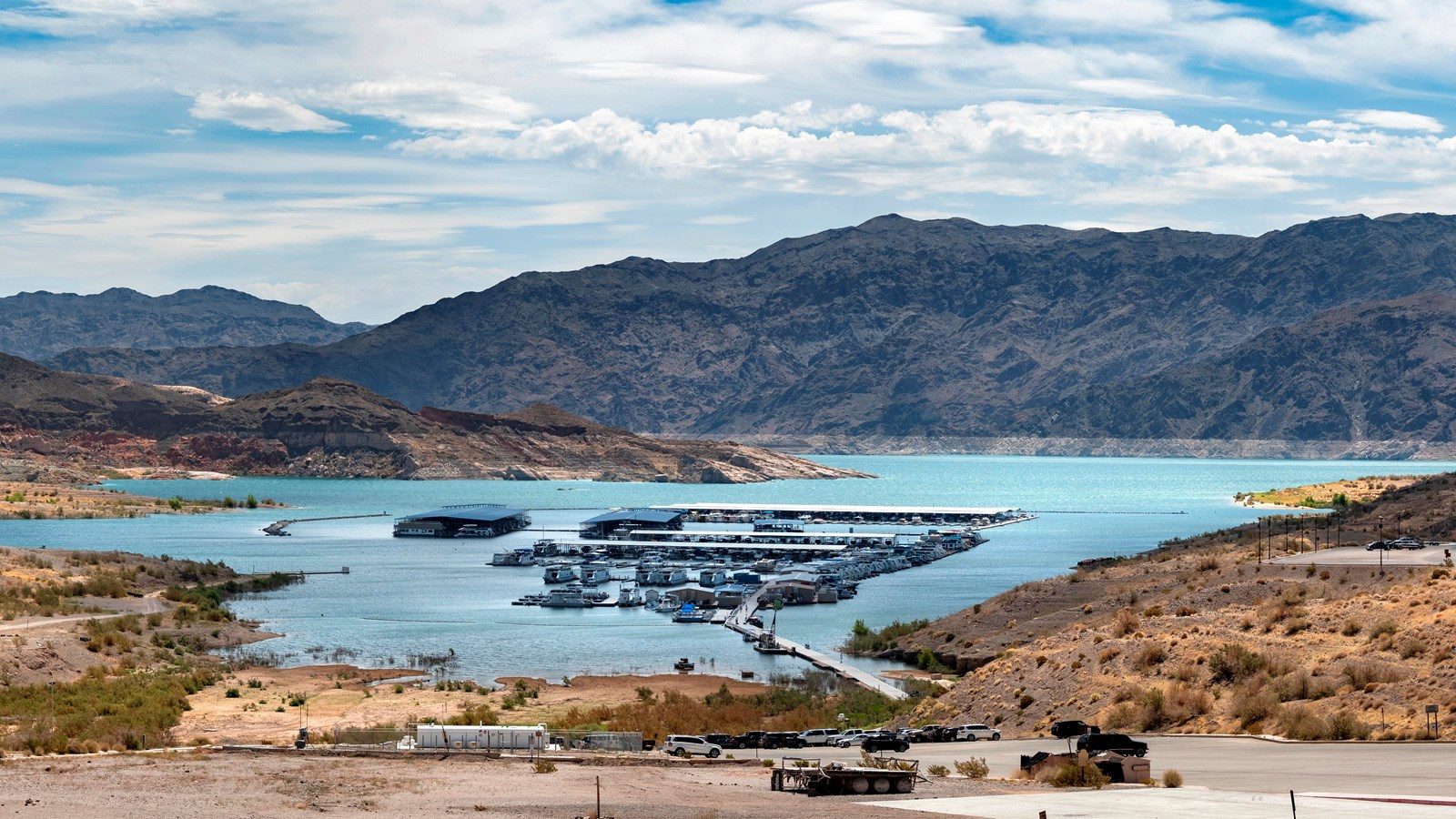
Callville Bay
This area features a marina and varied shoreline terrain suitable for accessing the water. The surrounding topography includes volcanic rock formations and desert vegetation.
Look for desert bighorn sheep near the rocky slopes.
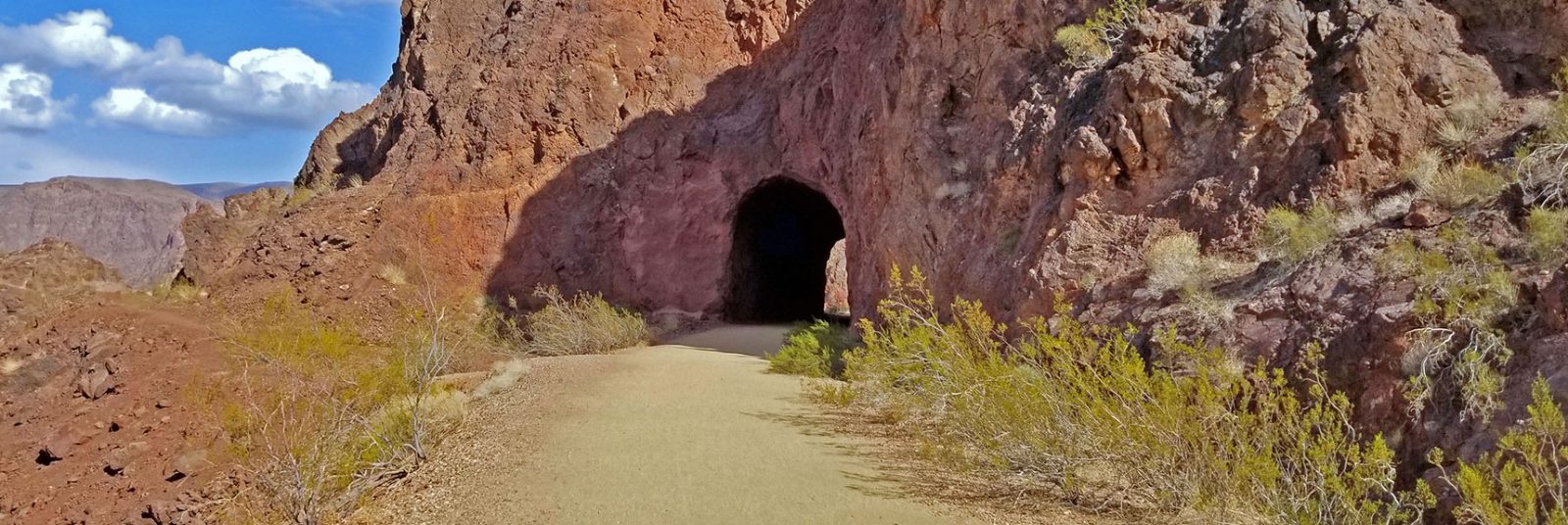
Historic Railroad Trail
This multi-use path follows the former rail line used during the construction of the Hoover Dam. It features a series of tunnels and provides elevated views of the lake.
Bring a flashlight to navigate the dark tunnel segments.
Is Lake Mead Worth Visiting Given Its Operational Hours?
Lake Mead National Recreation Area remains accessible 24 hours a day, seven days a week, offering full flexibility for visitors. This continuous operational schedule allows guests to plan their arrival around personal preferences or specific activities.
| Monday | 00:00–23:59 | Open 24 hours |
|---|---|---|
| Tuesday | 00:00–23:59 | Open 24 hours |
| Wednesday | 00:00–23:59 | Open 24 hours |
| Thursday | 00:00–23:59 | Open 24 hours |
| Friday | 00:00–23:59 | Open 24 hours |
| Saturday | 00:00–23:59 | Open 24 hours |
| Sunday | 00:00–23:59 | Open 24 hours |
How To Navigate When Is Lake Mead Worth Visiting?
Lake Mead National Recreation Area is located in southeastern Nevada, with the primary visitor center situated in Boulder City. The most direct approach for visitors is by car via Nevada State Route 173.
US-93 to Nevada Way in Boulder City
US-93 to 601 Nevada Way
RTC Route 402 to Boulder City
Is Lake Mead Worth Visiting Prepared? Essential Pre-Visit Checklist
Lake Mead's desert climate and water-based activities demand specific gear and advance planning to stay safe and comfortable.
-
Download offline maps of the recreation area — Cell service is unreliable across much of the 1.5-million-acre park
-
Bring sun protection and a wide-brim hat — Summer temperatures exceed 100°F with minimal shade along trails and shorelines
-
Pack at least one gallon of water per person — Desert heat causes rapid dehydration, especially during water activities
-
Wear closed-toe water shoes for rocky shores — Lake底 and beaches feature sharp rocks and zebra mussel fragments
-
Check fire restrictions before arrival — Seasonal bans affect campfires and portable stoves across the recreation area
-
Reserve campsites or lodging in advance — Boulder City and nearby towns fill quickly during peak season
-
Fuel up in Boulder City before entering — The nearest gas station inside the park is limited and often closed
Check availability
Common questions: Is Lake Mead worth visiting?
Everything you need to know about is lake mead worth visiting